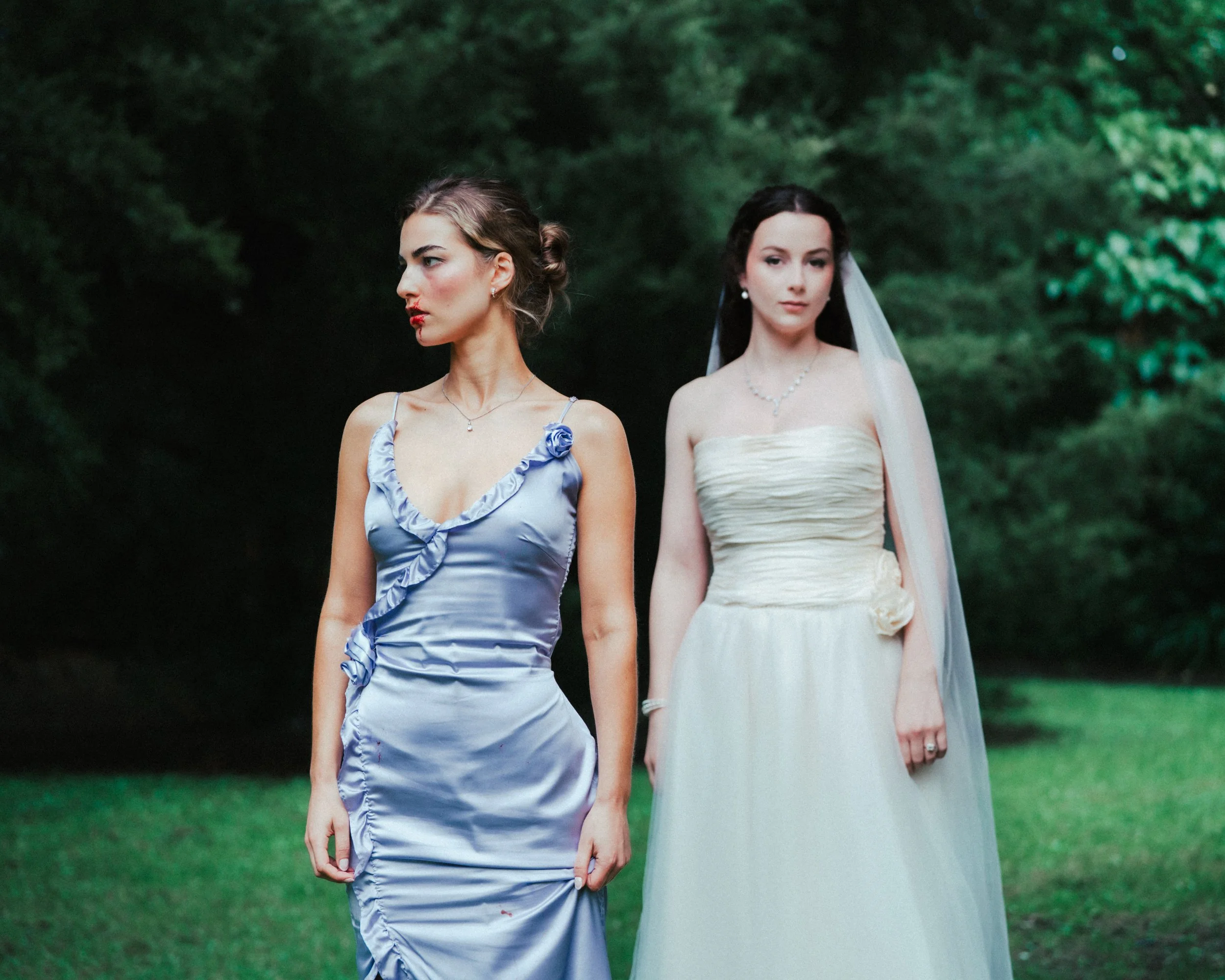
Presented as part of the Day One Shorts Collection 2026, premiering via Show Me Shorts 2026
All set to be the perfect bridesmaid, May finds herself battling a grotesque dental crisis - threatening her closest friendship and forcing her to battle her innermost insecurities - tooth and nail.
Baby Tooth is the kind of horror short that knows exactly which nerve to press. Built around one of the most universally uncomfortable experiences imaginable, Raphaella Holder-Monk's film transforms a seemingly minor dental problem into an escalating nightmare that is equal parts body horror, psychological thriller, and social panic comedy. It is funny, stressful, deeply uncomfortable, and surprisingly insightful, all while maintaining a firm grip on its audience's attention.
The premise is deceptively simple. May is preparing to fulfil her role as bridesmaid when an increasingly alarming dental issue begins to unravel both her confidence and her composure. From there, Baby Tooth taps into a very specific type of anxiety that most viewers will recognise immediately. Almost everyone remembers the strange sensation of a loose tooth, the irresistible urge to poke at it, and the constant awareness that something feels wrong inside your own mouth. The film cleverly weaponises that shared experience, turning a mundane childhood memory into a source of relentless tension.
One of the film's greatest strengths is its understanding of anticipation. Rather than relying solely on shocking moments, it creates discomfort by encouraging viewers to constantly imagine what might happen next. Once the problem is established, every conversation, every awkward interaction, and every social obligation becomes infused with a sense of dread. The audience is left nervously waiting for the next complication, much like watching an inevitable disaster slowly approaching while being powerless to stop it.
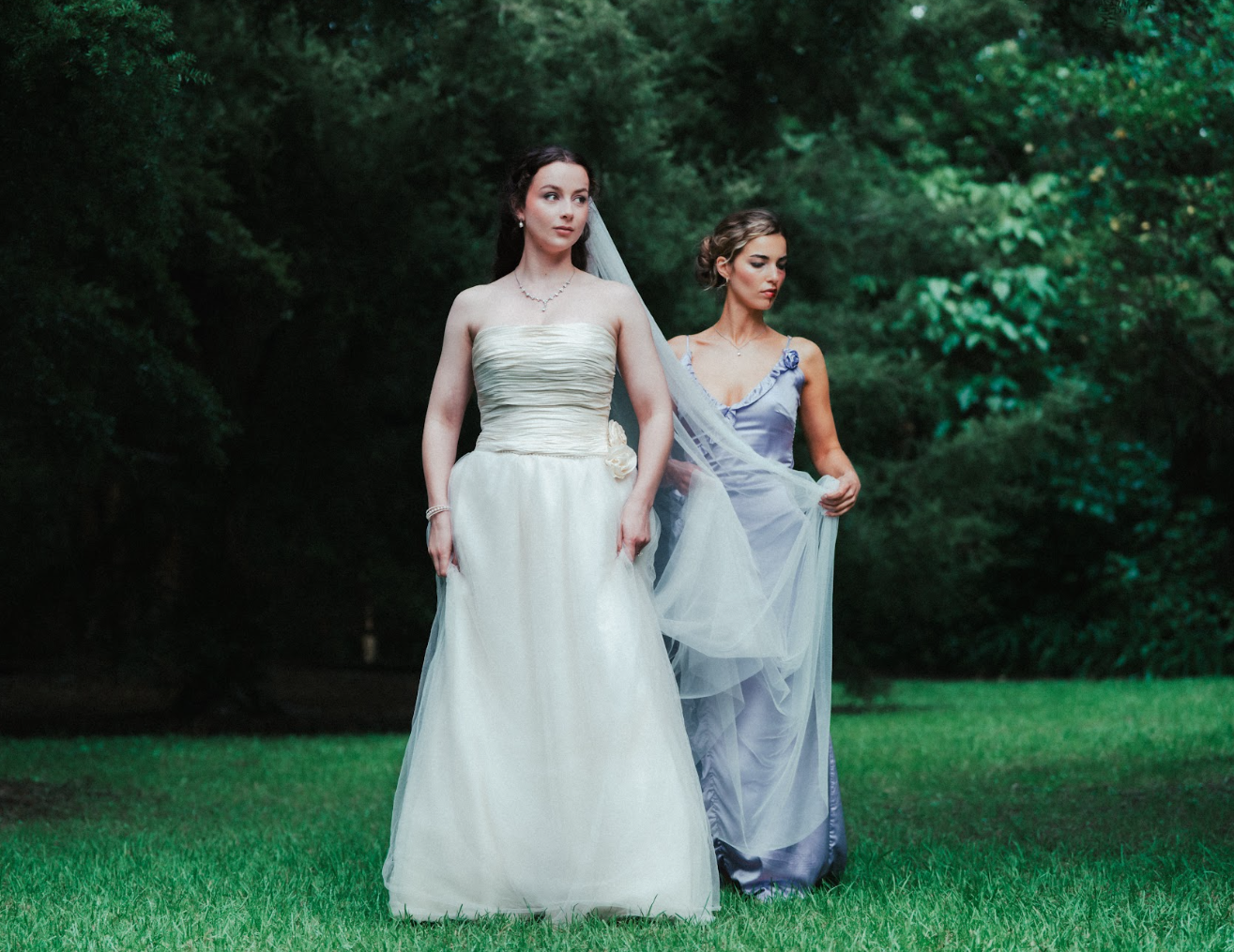
Holder-Monk demonstrates considerable visual confidence throughout. The cinematography frequently avoids conventional framing choices, instead embracing tilted angles, overhead views, and unusual perspectives that subtly reinforce May's growing sense of instability. Scenes are often framed in ways that feel slightly off balance, creating visual tension before anything has actually happened. Even simple moments gain an unsettling quality through careful camera placement and composition.
The opening sequence establishes this playful creativity immediately. By presenting a familiar daily routine from an impossible point of view, the film announces its intention to view ordinary experiences through a distinctly warped lens. It is a memorable introduction that sets the tone perfectly, balancing humour and unease while drawing viewers directly into the protagonist's increasingly uncomfortable world.
The camera work remains consistently strong throughout. Tracking shots during car sequences create natural movement and momentum while maintaining character focus, and the film demonstrates an impressive ability to make everyday locations feel visually dynamic. There is a sense of precision behind every shot choice, with framing and movement working together to place the audience inside May's mounting panic.
What truly elevates Baby Tooth, however, is the quality of its practical effects. The film wisely opts for tangible, physical horror rather than leaning heavily on digital imagery. The result is a level of realism that makes the body's deterioration feel much more immediate and disturbing. Because the effects exist within the frame as actual physical objects and prosthetics, viewers are forced to confront them in a way that feels uncomfortably authentic.
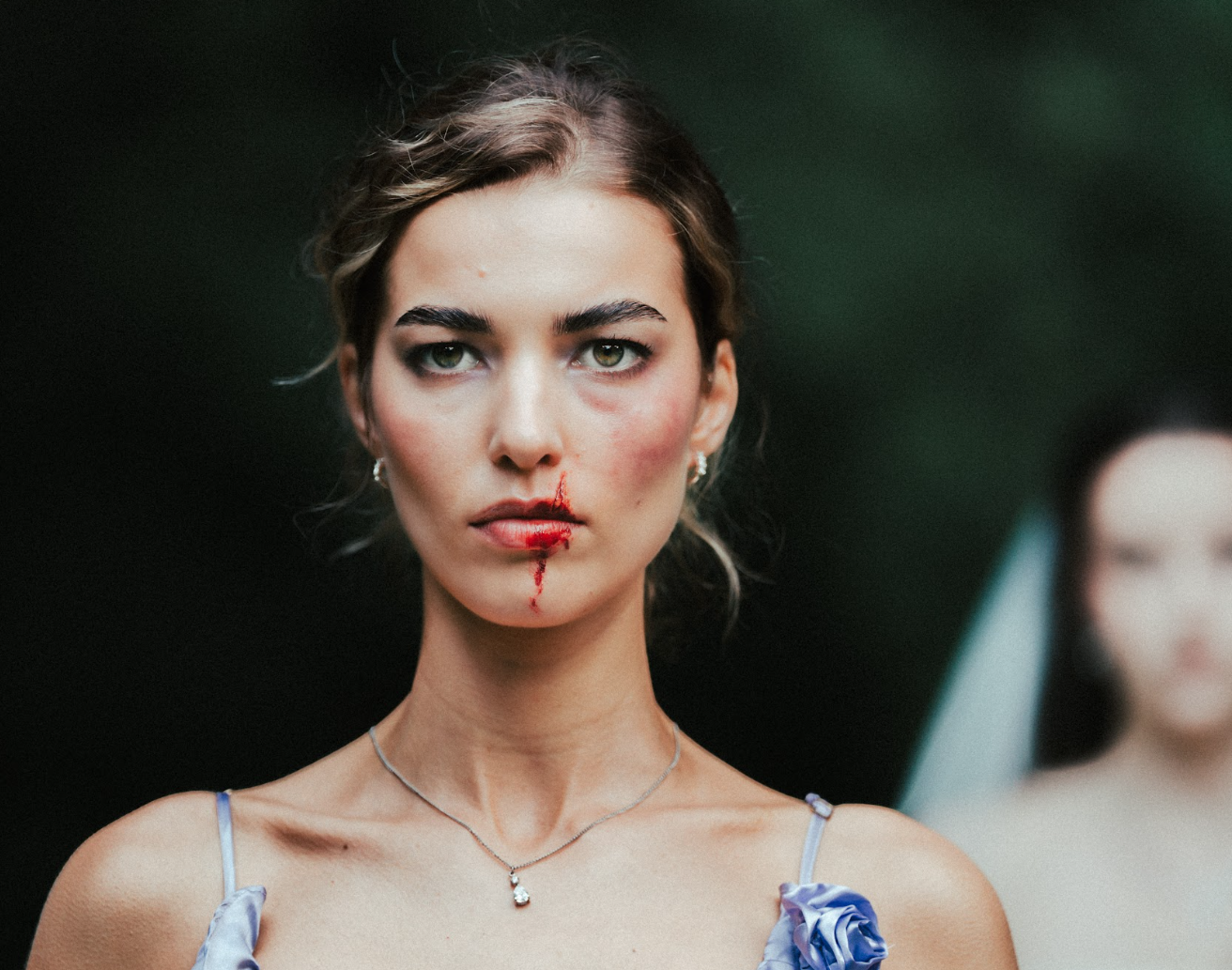
The progression of the visual effects is particularly impressive. The physical signs of stress and damage evolve gradually across the film, with subtle changes accumulating scene by scene. Small details in makeup, appearance, and overall presentation reinforce the protagonist's deteriorating psychological state while simultaneously increasing the audience's anxiety. It is a testament to the craft involved that each step feels believable while still pushing further into horror territory.
The sound design deserves praise as well. Rather than overwhelming scenes with aggressive audio cues, the film adopts a restrained approach that enhances key moments without drawing attention to itself. Small sonic details are used strategically to heighten discomfort and emphasise unusual situations. The result is an audio landscape that quietly amplifies the film's tension, helping transform otherwise ordinary exchanges into moments charged with unease.
Beyond its body horror elements, Baby Tooth functions as a compelling exploration of insecurity and self-perception. The dental crisis serves as a gateway into deeper emotional territory, examining the fear that there may be something fundamentally wrong with ourselves that everyone else can see. As May becomes increasingly consumed by her situation, the film begins to blur the line between objective reality and subjective experience.
This ambiguity proves to be one of the story's most effective tools. The audience is frequently encouraged to question how accurately events are being interpreted, creating uncertainty that extends beyond the physical horror. Is the situation as catastrophic as it appears, or are fear and insecurity distorting perception? The film never rushes to answer these questions, allowing tension to grow from both external circumstances and internal doubt.
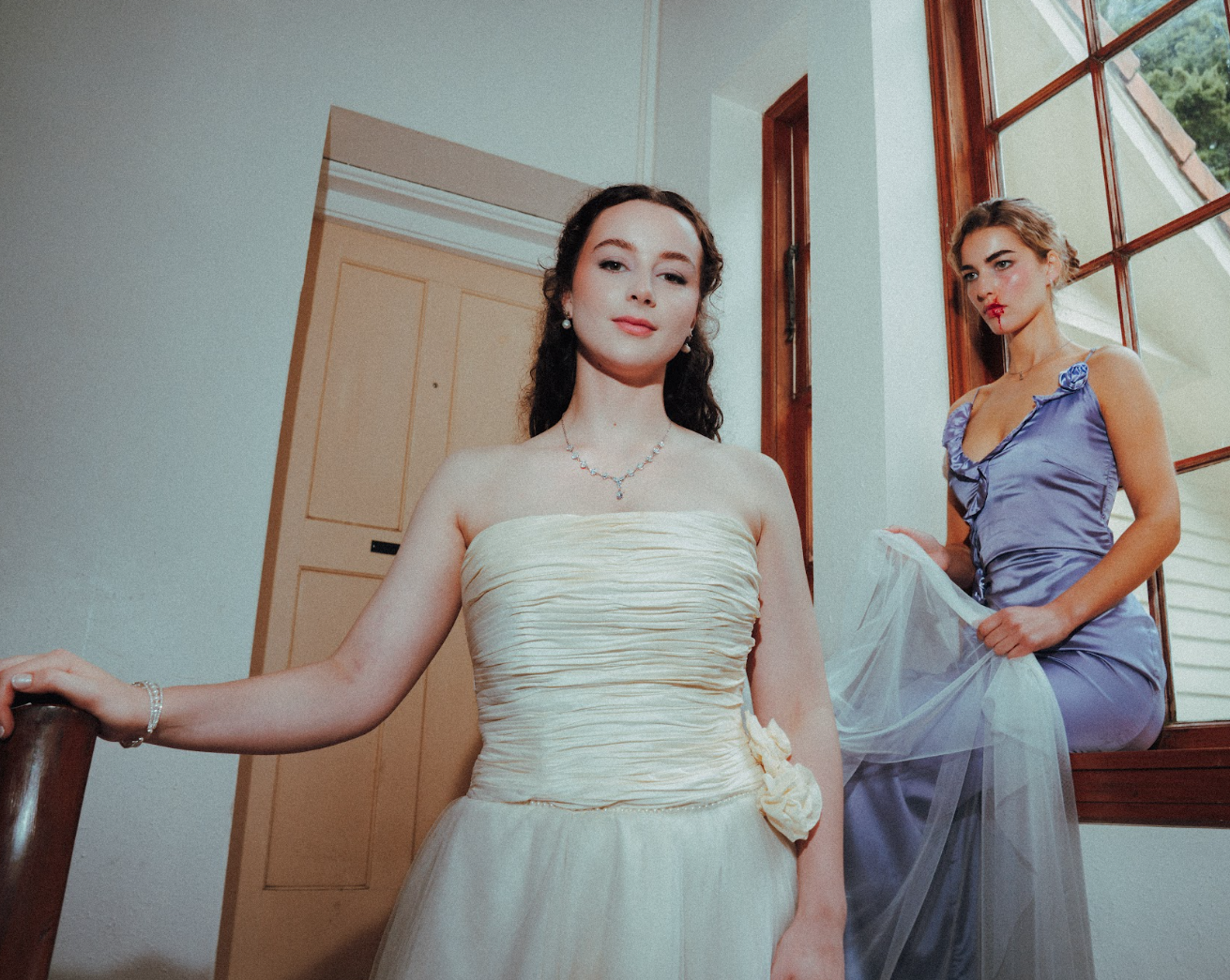
There is also a surprisingly effective depiction of social pressure running beneath the horror. Weddings are often portrayed as joyful celebrations, but they are also environments filled with expectations, obligations, and opportunities for embarrassment. Baby Tooth exploits these pressures brilliantly. The need to maintain appearances while feeling increasingly overwhelmed creates a powerful source of conflict that many viewers will find painfully relatable.
Technically, the film feels exceptionally polished. The lighting, makeup, camera control, editing, and performances all contribute to a final product that carries a distinctly professional sheen. Every department appears to be working toward the same goal, creating a cohesive experience where style and substance complement one another rather than compete for attention.
Most importantly, the film understands that effective horror is not simply about grossing people out. The strongest moments emerge from the emotional investment it creates in May's predicament. The physical discomfort is only one layer. Underneath lies a story about anxiety, vulnerability, friendship, and the fear of losing control when life refuses to follow the carefully constructed version we had planned.
Without venturing into spoiler territory, the closing stages of the film deserve particular recognition. The narrative takes a direction that feels both surprising and earned, recontextualising much of what came before while remaining faithful to the themes that drive the story. It is the kind of ending that rewards audience investment and lingers in the mind afterwards.
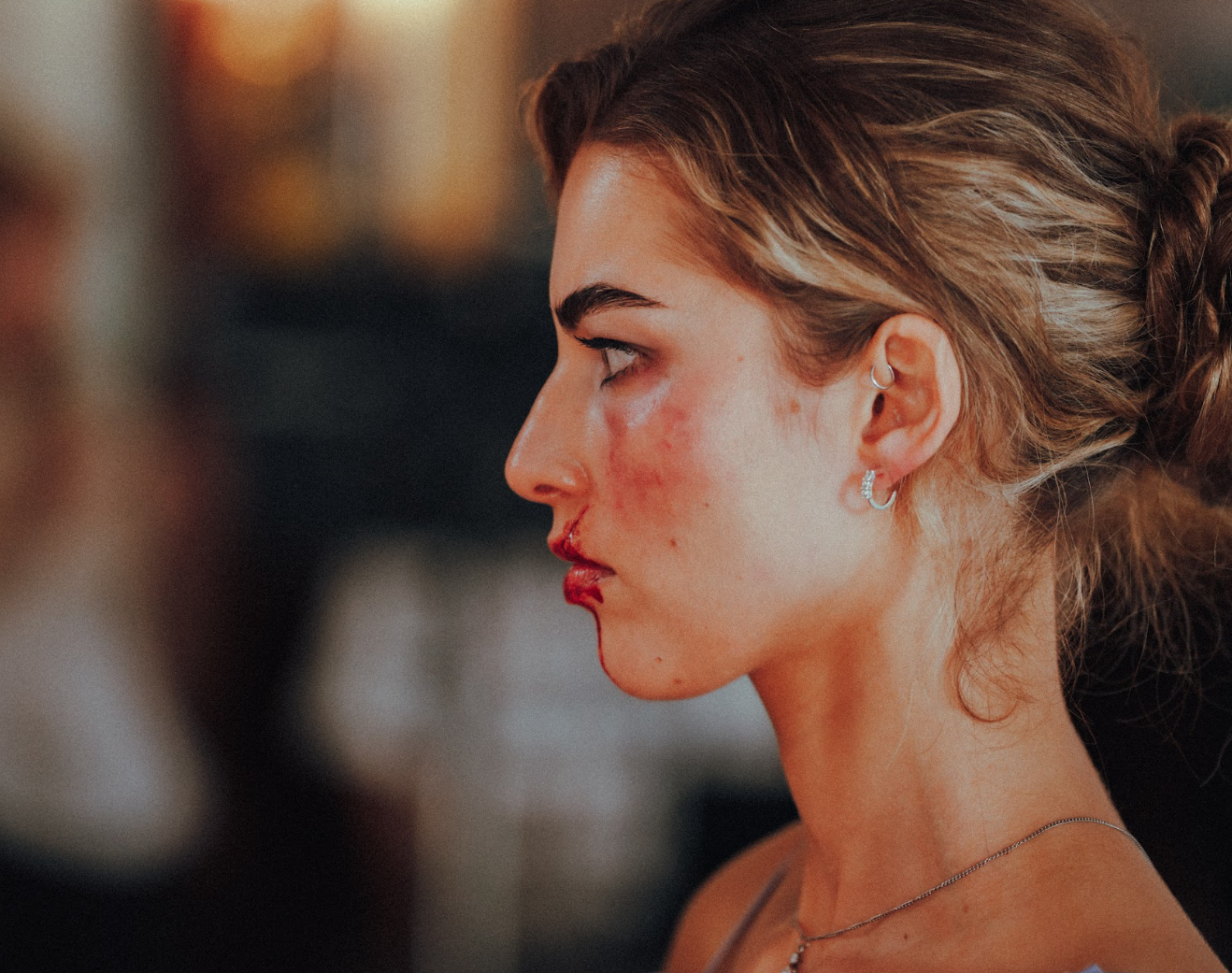
Equal parts darkly funny, psychologically astute, and gleefully uncomfortable, Baby Tooth is a standout short that transforms a universally familiar fear into a thoroughly entertaining nightmare. Through inventive filmmaking, excellent practical effects, and a sharp understanding of human insecurity, Raphaella Holder-Monk has created a horror film that will leave audiences squirming, laughing nervously, and perhaps thinking twice the next time they notice a tooth doesn't feel quite right.
The film premiered at Show Me Shorts on Saturday 10 October, and is available to watch on dofilm.co.nz and YouTube from Monday 12 October.
Review written by Alex Moulton
Day One Hāpai te Haeata is a supportive community that provides rangatahi with the tools, guidance and opportunities to share stories on screen. Day One supports a series of funded short films made by young emerging filmmakers that explore cultural, social and political issues. This year, 8 films have been created under Day One’s guidance and programme.
