Photo credit: Arju Pun
Presented as part of the Day One Shorts Collection 2026, premiering via Show Me Shorts 2026
When the Men of Light start taking families in an Auckland suburb, 13-year-old Ioane uncovers a dark secret no one was meant to find.
Men of Light is an impressively crafted short thriller that blends childhood fears, urban folklore, and Pasifika storytelling into a tense and emotionally resonant mystery. While it wears the clothing of a horror film, its true strength lies in how it explores the anxieties that emerge when a child begins to realise that the world around them is far more complicated, and often far darker, than they once believed.
Set within an Auckland community, the film follows 13-year-old Ioane as unsettling events begin to ripple through his neighbourhood. Rumours spread, stories evolve, and the mysterious "Men of Light" become the focus of whispered conversations and growing unease. Simeon "Ucegang" Fiapule wisely structures the narrative through the perspective of a young protagonist, allowing the audience to experience uncertainty in much the same way Ioane does. The result is a story where imagination, fear, and reality become increasingly difficult to separate.
What makes the film so engaging is its ability to draw upon the kinds of stories that exist in many communities. Every neighbourhood has its rumours, cautionary tales, and explanations for events that are not fully understood. Men of Light taps into that familiar experience and uses it as a foundation for something much more layered. Initially, the story functions as an intriguing mystery, inviting viewers to question whether the threats surrounding Ioane are supernatural, psychological, or something else entirely. The film carefully withholds definitive answers, creating an atmosphere of uncertainty that lingers throughout its runtime.
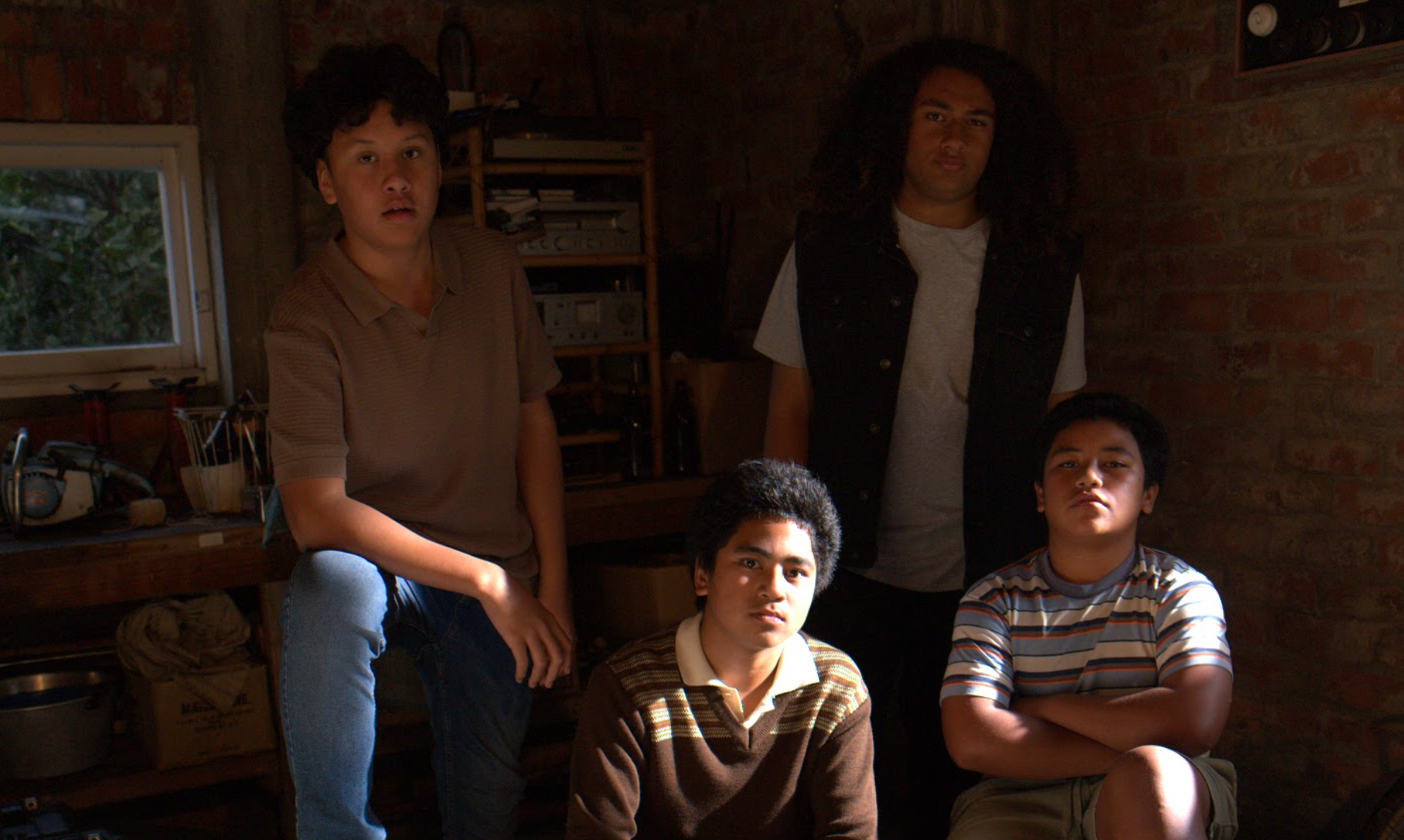
Photo credit: Arju Pun
Fiapule demonstrates considerable restraint in the way information is revealed. Rather than relying on obvious scares or sudden shocks, the tension is built gradually through mood and suggestion. The audience is encouraged to observe details, draw conclusions, and sit with their own suspicions. This measured approach proves far more effective than excessive exposition, allowing the story's intrigue to develop naturally and rewarding viewers who remain patient.
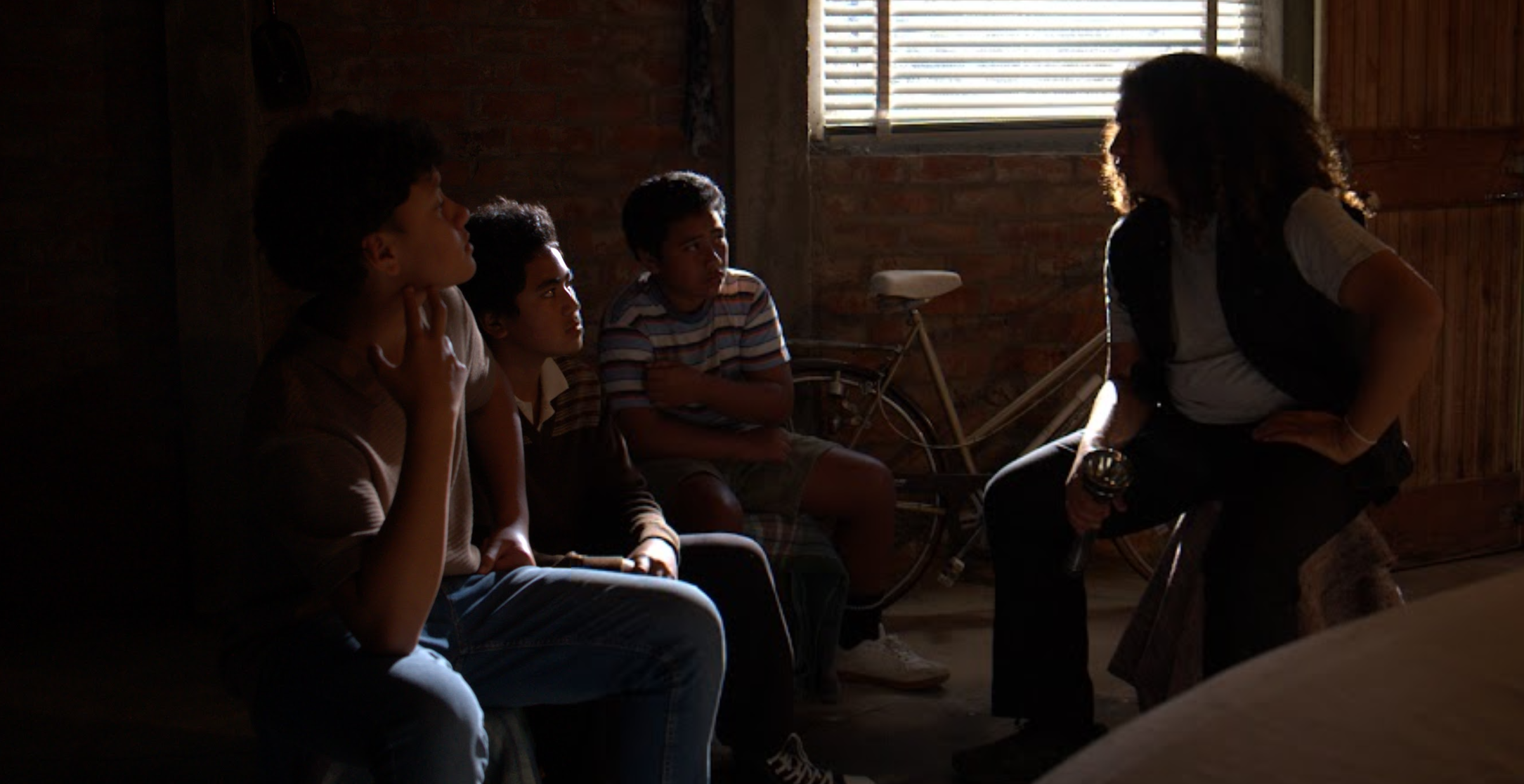
The film's visual presentation plays a significant role in establishing this sense of unease. Lighting is used particularly well, creating a clear contrast between moments of normality and scenes where something feels subtly wrong. Areas that should feel safe gradually become unfamiliar, while shadows and diminishing light contribute to a growing sense of vulnerability. The cinematography consistently reinforces emotional shifts within the narrative, often communicating more through visual language than dialogue ever could.
One of the most striking elements is the way the filmmakers transform ordinary domestic environments into spaces charged with tension. Dust-filled air, muted colours, and carefully controlled lighting create a murky atmosphere that seems to seep into the protagonist's everyday life. As uncertainty begins to take hold, even familiar spaces start to feel oppressive. This visual strategy helps place viewers directly within Ioane's perspective, allowing them to experience his fears rather than simply observe them.
The cinematography itself is often remarkably precise. Symmetrical framing appears throughout the film, giving many shots a carefully ordered appearance that is aesthetically pleasing while also creating an underlying sense of control. This visual order becomes particularly effective when contrasted against the chaos and uncertainty unfolding within the story. The compositions draw the eye and contribute to a polished visual style that elevates the film beyond the limitations often associated with short-form storytelling.
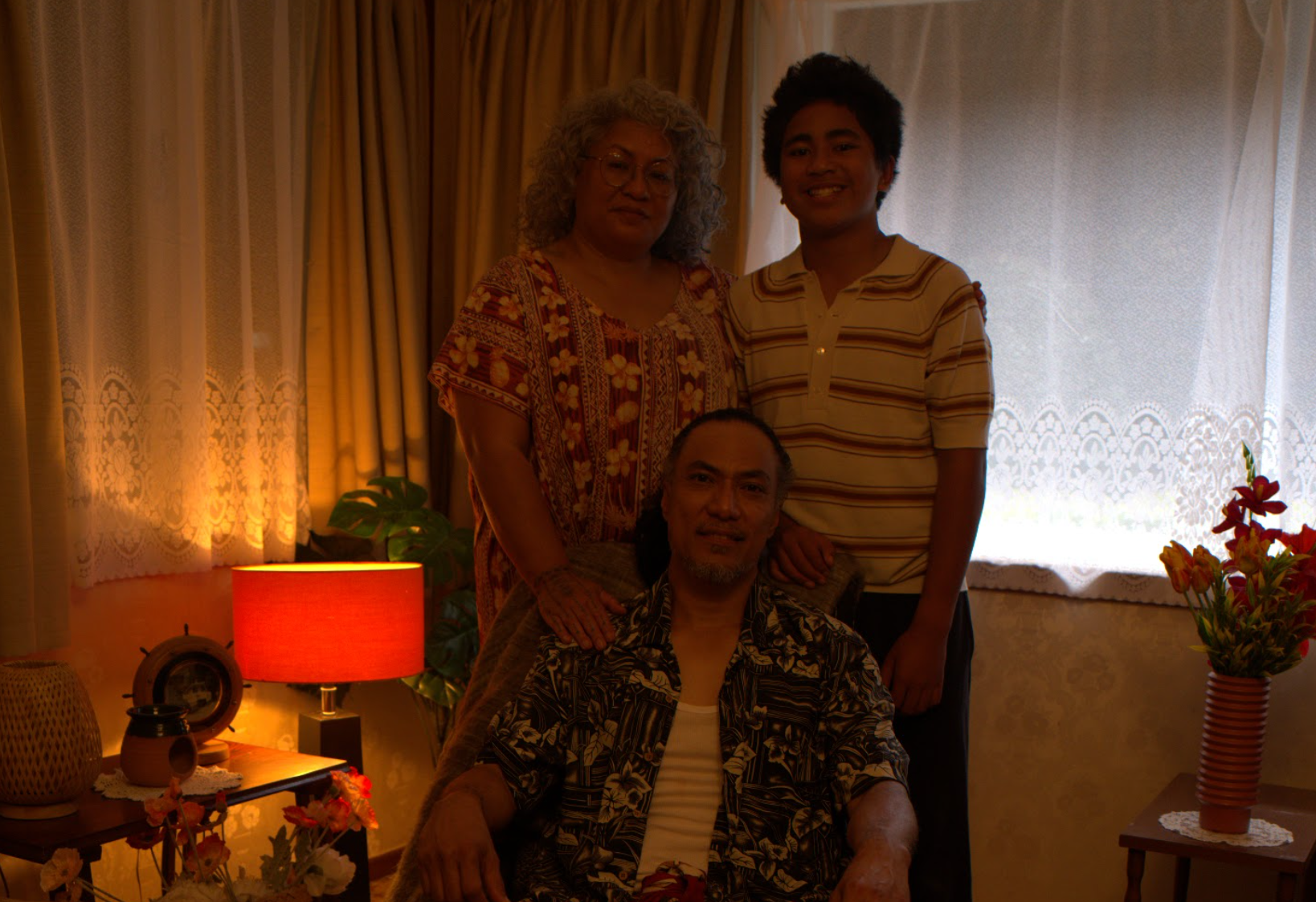
Photo credit: Arju Pun
Equally impressive is the creation of place. Men of Light succeeds in making its suburb feel lived-in and authentic. The community feels genuine, with a strong sense of cultural identity running beneath the surface of every interaction. This authenticity strengthens the emotional impact of the film because the stakes never feel abstract. The fears explored by the story are rooted within a specific environment and community, giving them a weight that resonates beyond the thriller framework.
Although the film contains its share of mystery and suspense, it is ultimately driven by something more meaningful than simple fear. At its heart is an exploration of how children process events they cannot fully understand. The stories adults tell, the rumours that circulate among neighbours, and the gaps left by uncertainty all become fertile ground for imagination. The film demonstrates a keen understanding of how young minds attempt to make sense of frightening situations, often creating explanations that feel more manageable than reality itself.
What is particularly effective is the way the narrative evolves over time. Rather than treating its urban myths as merely a source of scares, the film uses them as a storytelling device to examine how memory and understanding change with age. Events that appear one way through the eyes of a child can take on entirely different meanings when viewed later through an adult lens. This gives the story an additional layer of emotional depth that extends beyond its thriller elements.
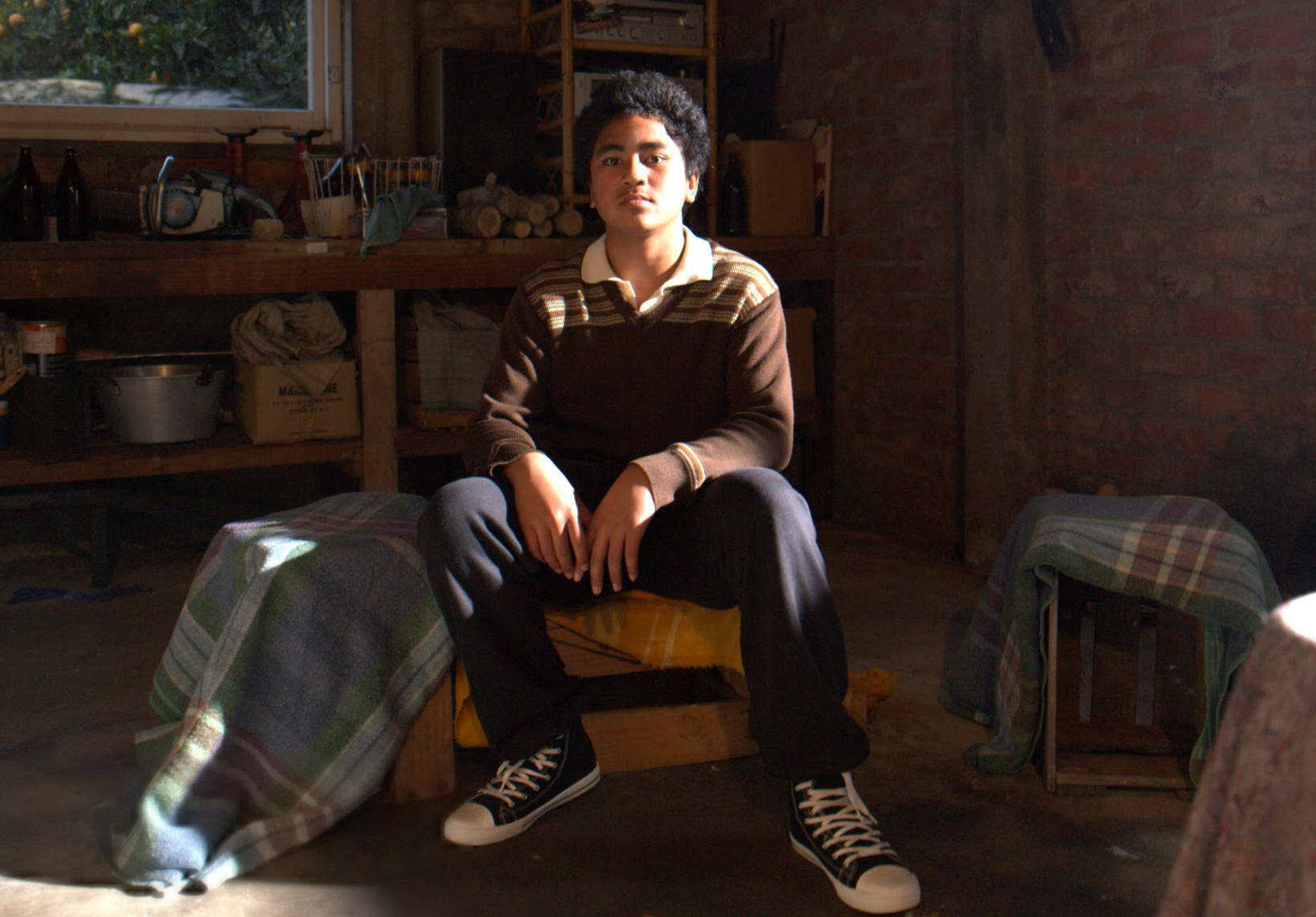
Photo credit: Arju Pun
The editing deserves recognition as well. A particularly effective recurring technique involves push-in and pull-out transitions that bridge different periods in time with impressive fluidity. These moments create seamless connections between past and present, helping the viewer navigate shifts in perspective without disrupting the flow of the narrative. It is a clever visual solution that contributes to the film's dreamlike quality while reinforcing its themes surrounding memory and perception.
The strongest aspect of Men of Light, however, may be the way it balances genre conventions with cultural specificity. While the mystery and suspense provide an accessible entry point, the film remains firmly grounded in Pasifika experiences and perspectives. Rather than serving as background flavour, these cultural elements are woven directly into the storytelling, enriching the narrative and giving it a distinct identity. The result is a film that feels both universally relatable and deeply personal.
By the time the credits roll, Men of Light has delivered far more than a simple horror story. It is a thoughtful exploration of fear, memory, and the stories communities tell to explain the things they struggle to understand. Through confident direction, striking visual design, and an engaging central mystery, Simeon Fiapule has created a short film that is both entertaining and unexpectedly poignant. It embraces the power of urban legends while quietly revealing the very real emotions that often lie beneath them, resulting in a memorable and skilfully crafted piece of filmmaking.
The film premiered at Show Me Shorts on Saturday 10 October, and is available to watch on dofilm.co.nz and YouTube from Monday 12 October.
Review written by Alex Moulton
Day One Hāpai te Haeata is a supportive community that provides rangatahi with the tools, guidance and opportunities to share stories on screen. Day One supports a series of funded short films made by young emerging filmmakers that explore cultural, social and political issues. This year, 8 films have been created under Day One’s guidance and programme.
