Photo credit: Sophie Miya-Smith
Presented as part of the Day One Shorts Collection 2026, premiering via Show Me Shorts 2026
Approaching 25 years with type 1 diabetes, Harriett Maire reflects: How do you honour milestones in a lifelong condition? How do you keep moving forward on a journey with no end?
Silver Lining is a deeply personal documentary that explores the realities of living with Type 1 diabetes, not through statistics or clinical explanations, but through the accumulated weight of a life shaped by a condition that never takes a day off. Filmmaker Harriett Maire turns the camera inward as she approaches a significant milestone: twenty-five years since her diagnosis. What emerges is not a celebration in the conventional sense, but a thoughtful and often moving reflection on endurance, identity, and what it means to keep moving forward when there is no finish line in sight.
One of the film's greatest strengths is its willingness to engage with uncomfortable questions. Milestones are typically associated with achievement, joy, or accomplishment. Silver Lining asks what happens when the milestone in question marks decades spent managing a disease you never chose. It is a fascinating emotional contradiction that sits at the centre of the documentary. The film never offers easy answers, nor does it attempt to transform its subject into an inspirational cliché. Instead, it allows space for conflicting emotions, acknowledging both frustration and gratitude, exhaustion and resilience.
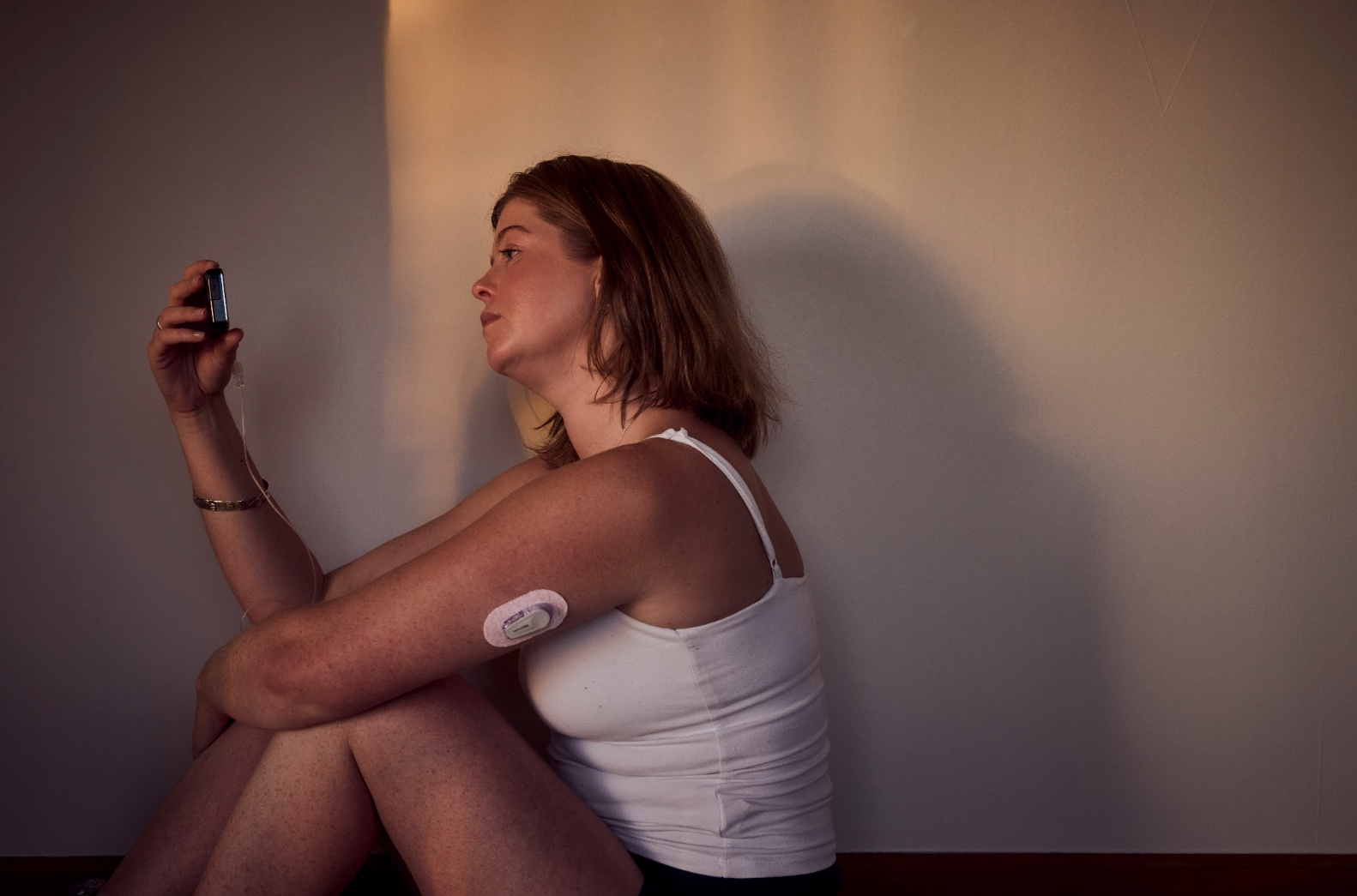
Photo credit: Sophie Miya-Smith
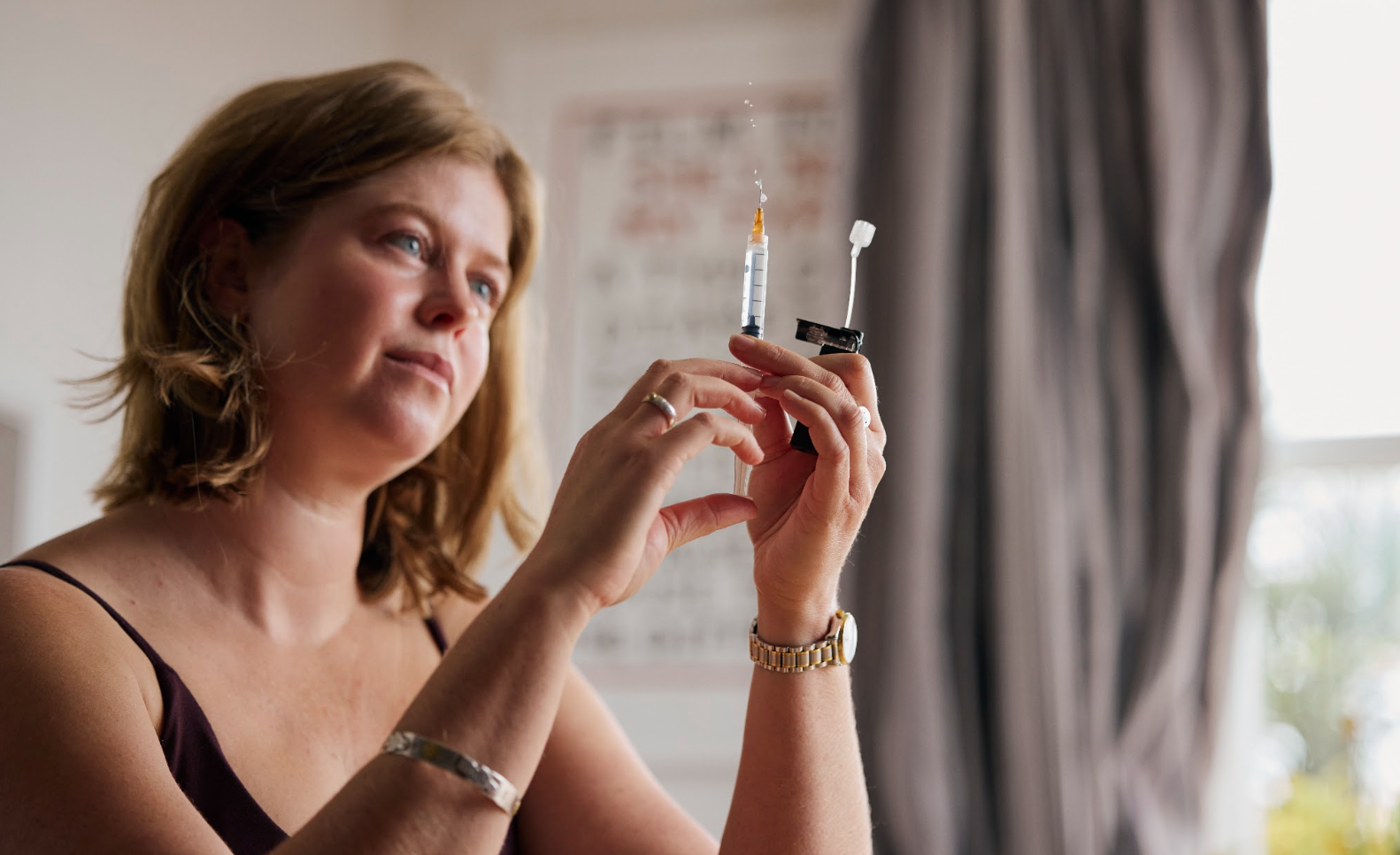
Maire's approach is refreshingly honest. There is no effort to sanitise the experience or present a neatly packaged narrative about overcoming adversity. The documentary openly acknowledges the relentless demands that come with Type 1 diabetes. Every meal, every outing, every trip away from home requires consideration and planning. There are blood sugar levels to monitor, supplies to remember, contingencies to prepare for, and constant calculations running quietly in the background. For those unfamiliar with the condition, the film offers a powerful reminder that managing diabetes is not limited to injections or medical appointments. It is a continuous mental process woven into almost every aspect of daily life.
What makes Silver Lining particularly compelling is its focus on the psychological burden rather than the medical mechanics. The film examines the invisible labour that often goes unnoticed by others. There is a sense of vigilance that never completely disappears, a need to remain aware of what the body is doing and what it might do next. The documentary communicates this reality with remarkable clarity, illustrating how the condition occupies not just physical space but mental and emotional space as well.
The film's structure mirrors its reflective nature. Drawing from a mixture of family photographs, archival home videos, contemporary footage, and symbolic visual sequences, Maire pieces together a portrait that feels intimate without becoming self-indulgent. Childhood memories sit alongside present-day routines, creating a tangible sense of time passing and life unfolding around a condition that remains a constant presence. The contrast between old footage and current reality is particularly effective, highlighting not only how much has changed over twenty-five years but also what has remained strikingly familiar.
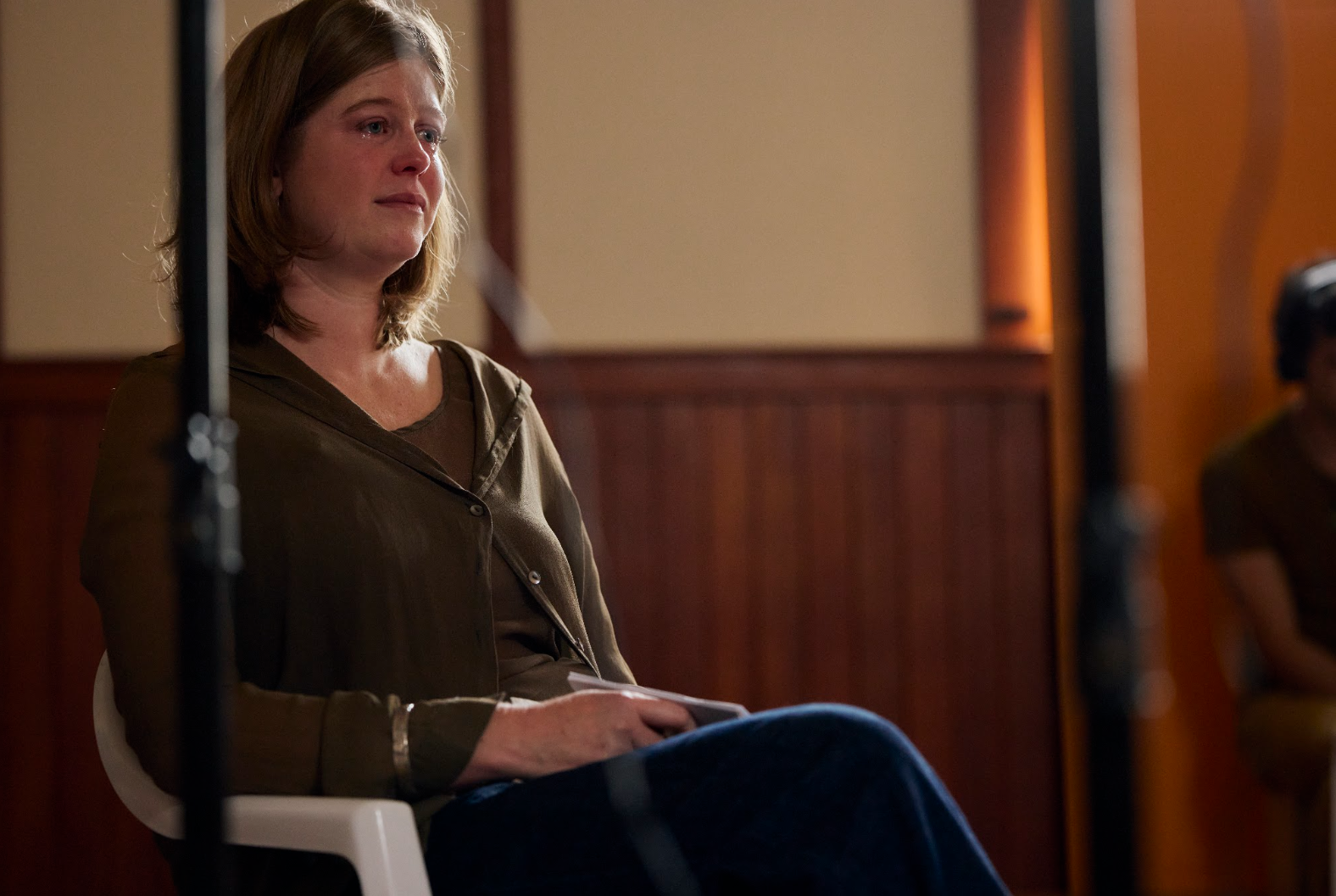
Photo credit: Sophie Miya-Smith
There is a warmth embedded in these personal materials that helps ground the documentary. Home videos bring moments of joy, family connections, and everyday experiences into focus, reminding viewers that diabetes exists within a life rather than defining it entirely. At the same time, the film never lets the condition disappear from view. Even in scenes centred on relationships, milestones, or ordinary moments of happiness, there is often a subtle reminder of the practical realities involved. Medical devices, routines, and monitoring are simply part of the landscape. The result is an honest portrayal of how chronic illness becomes integrated into daily existence rather than existing separately from it.
Visually, Silver Lining adopts a relatively restrained style, relying heavily on still images and observational footage. While this approach may seem simple on paper, it suits the film's subject matter well. The slower pace encourages contemplation and allows viewers to absorb the significance of seemingly routine actions. Moments that might otherwise appear mundane take on greater meaning when viewed through the lens of long-term health management. The more stylised sequences are used sparingly but effectively, offering glimpses into Maire's internal relationship with her condition without overwhelming the documentary's grounded tone.
Equally impressive is the film's technical execution. The audio remains clear and consistent throughout, an essential but often overlooked element in documentaries built around personal storytelling. Interviews, narration, ambient sound, and music coexist smoothly, ensuring that the audience remains immersed in the experience rather than distracted by technical shortcomings.
What ultimately separates Silver Lining from many health-focused documentaries is its refusal to advocate for a single perspective. The film does not position itself as a campaign piece, nor does it seek sympathy or admiration from its audience. Instead, it functions as an exploration. Maire examines her own experiences, reflects on the people who have supported her, and considers the coping mechanisms that have helped her navigate life to this point. The documentary trusts viewers to draw their own conclusions, which makes its observations feel more genuine and impactful.
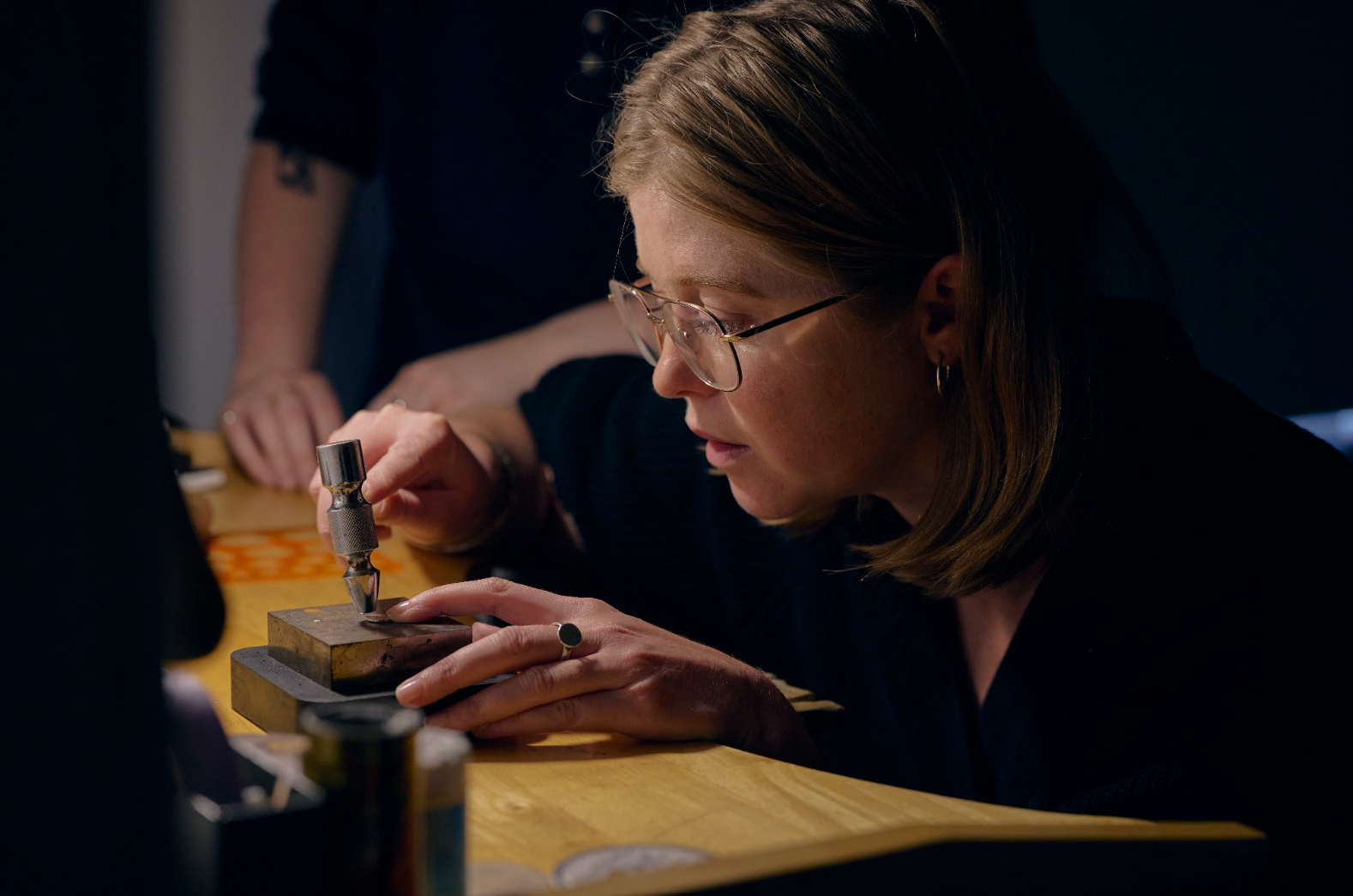
Photo credit: Sophie Miya-Smith
There is also an undercurrent of gratitude running through the film, though it is handled with nuance. The reality of living with a lifelong condition remains difficult, but the documentary acknowledges the advantages that come with access to modern treatments, technology, and support. This perspective never overshadows the challenges being discussed. Rather, it exists alongside them, contributing to the balanced and thoughtful tone that defines the film.
By the time the documentary reaches its conclusion, the significance of its title becomes increasingly apparent. The "silver lining" is not presented as a simple positive outcome or a reason to be thankful for illness. Instead, it emerges through the resilience, perspective, creativity, and self-understanding developed over years of adaptation. The film recognises that living with Type 1 diabetes is exhausting and unfair, while also acknowledging the strength required to continue meeting those demands every day.
Thoughtful, sincere, and quietly powerful, Silver Lining transforms a deeply personal milestone into a universally relatable reflection on endurance. Through its honesty, vulnerability, and refusal to simplify a complex experience, it offers an insightful portrait of life with a chronic condition while celebrating the resilience required to keep moving forward, one day at a time.
The film premiered at Show Me Shorts on Saturday 10 October, and is available to watch on dofilm.co.nz and YouTube from Monday 12 October.
Review written by Alex Moulton
Day One Hāpai te Haeata is a supportive community that provides rangatahi with the tools, guidance and opportunities to share stories on screen. Day One supports a series of funded short films made by young emerging filmmakers that explore cultural, social and political issues. This year, 8 films have been created under Day One’s guidance and programme.
