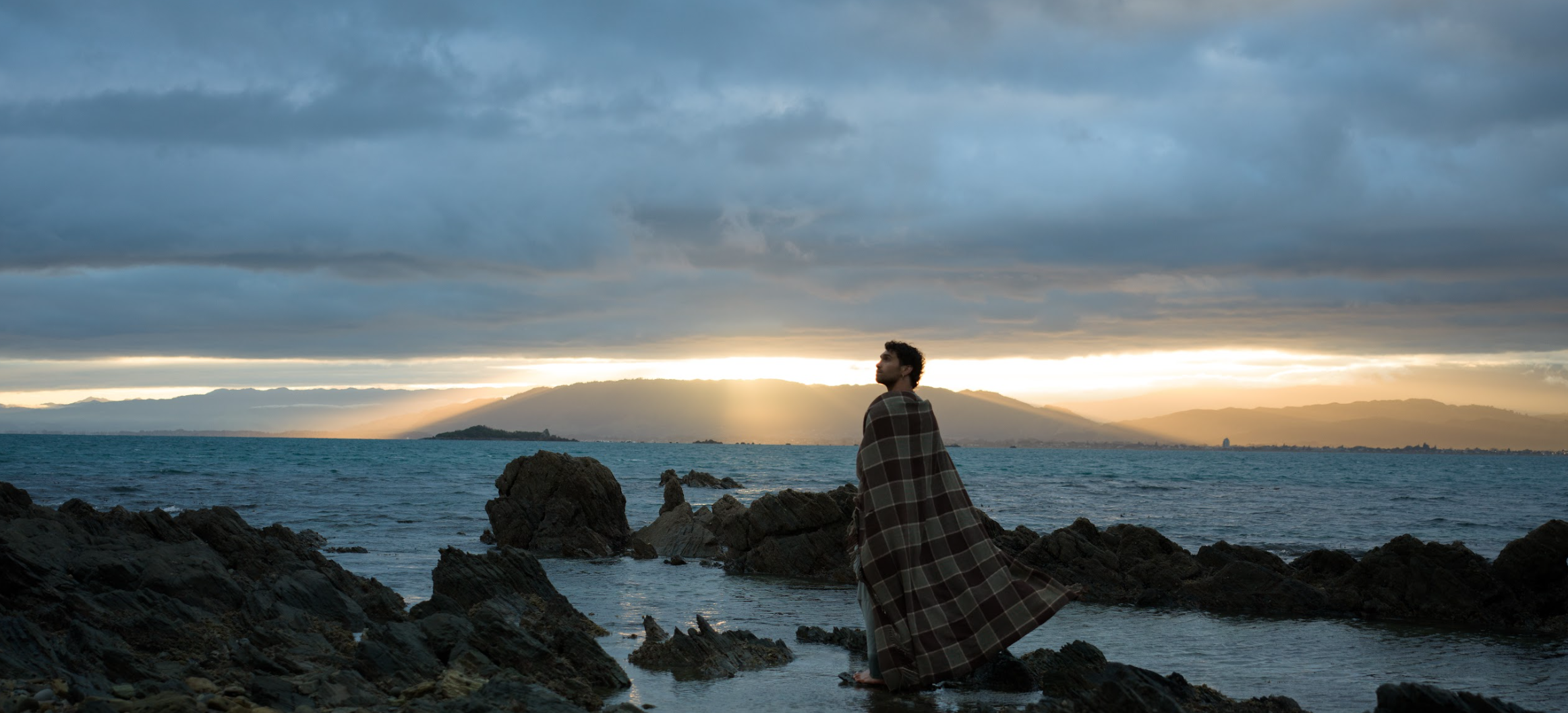
Presented as part of the Day One Shorts Collection 2026, premiering via Show Me Shorts 2026
After suddenly losing his father, a Māori music producer returns home to Kāpiti Island. In his grief, he finds solitude and guidance in the songs of the birds that surround him.
He Kōrihi is a quietly affecting meditation on grief, identity, and the enduring connection between people and place. Rather than relying on dramatic revelations or lengthy conversations, director Jordi Webber crafts a deeply sensory experience that invites audiences to sit with loss, listen closely, and find meaning in the spaces between words.
The story follows a successful Māori music producer whose life has become consumed by the relentless pace of the city. The sudden death of his father forces him to step away from that world and return home, confronting not only his grief but also the growing distance between himself and the cultural roots that once grounded him. From that premise, He Kōrihi unfolds with remarkable restraint, allowing emotion to emerge organically through atmosphere, imagery, and sound rather than exposition.
What immediately stands out is the film's visual language. The cinematography embraces a soft, almost dreamlike aesthetic, bathing many scenes in pale light and gentle haze. This gives the film an ethereal quality, as though its characters exist somewhere between memory and reality. The effect never feels artificial. Instead, it reinforces the protagonist's emotional state, creating the sense of someone moving through familiar spaces while struggling to fully reconnect with them. Carefully framed close-ups draw attention to subtle expressions and fleeting moments of reflection, ensuring the emotional weight remains firmly anchored in the central performance.
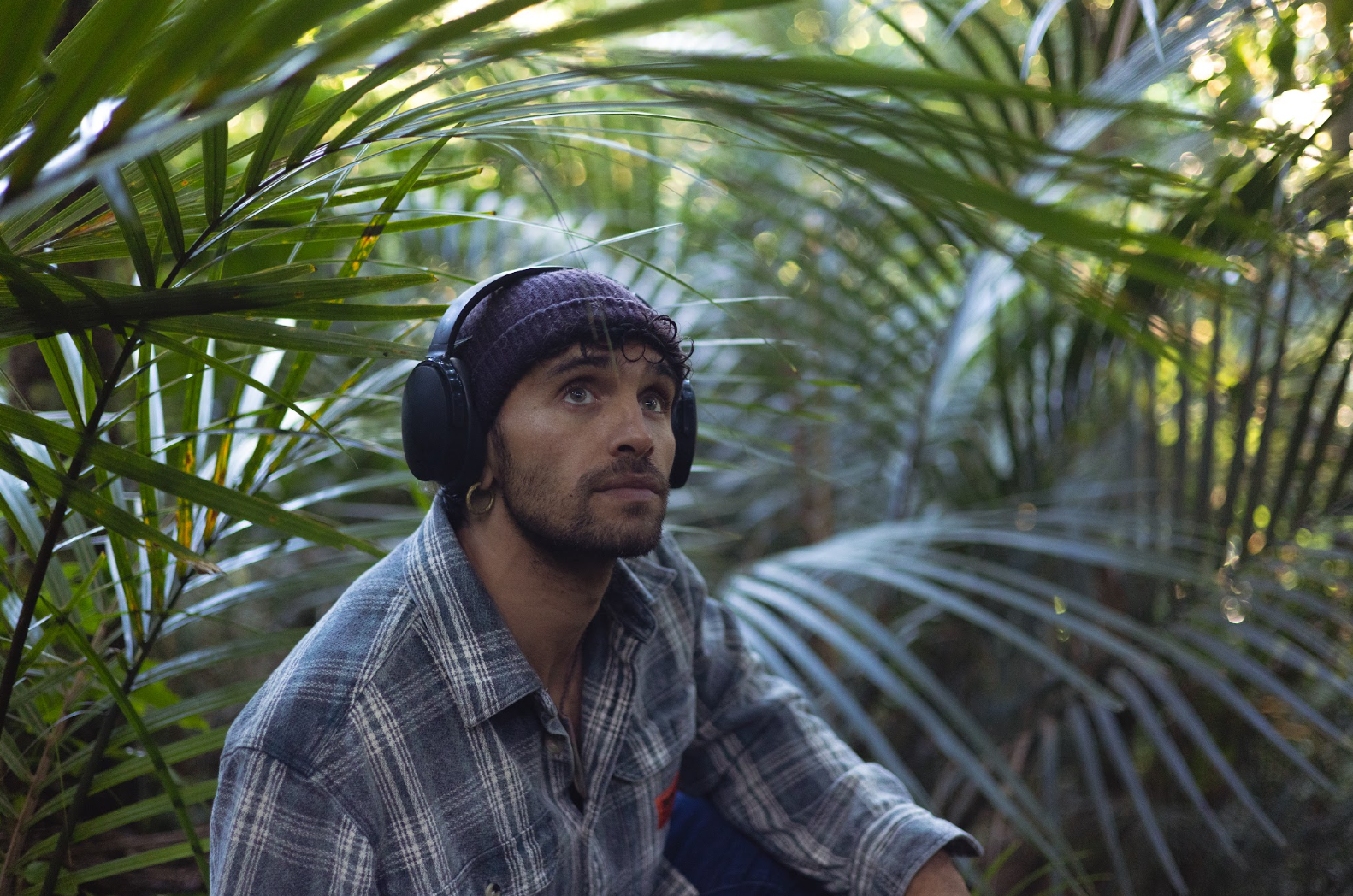
Webber and his creative team demonstrate impressive confidence in visual storytelling. There is remarkably little dialogue throughout much of the film, yet it rarely feels silent. The camera frequently lingers on faces, gestures, landscapes, and objects, allowing viewers to interpret emotion through observation rather than explanation. Tracking shots and slow pans create a feeling of isolation that mirrors the protagonist's internal journey, while transitions between scenes are handled with elegance. Characters drift into focus, emerge from the frame, or disappear into the landscape, creating a natural flow that feels reflective rather than conventional.
The decision to minimise dialogue proves to be one of the film's greatest strengths. By stripping conversations back to their essentials, He Kōrihi places greater emphasis on presence, observation, and feeling. The audience is encouraged to pay close attention to what the protagonist sees and hears. The camera often fixes on his eyes before shifting to the landscapes and wildlife surrounding him, creating a powerful connection between perception and emotion. In a story so deeply concerned with listening, this approach feels entirely fitting.
Sound design becomes the film's true heartbeat. As expected from a story centred on a music producer, sound is treated with extraordinary care and purpose. The score moves in and out of scenes with precision, at times enveloping the audience in emotion before falling away completely to leave only the sounds of the natural world. This alternating relationship between music and birdsong creates a compelling contrast between the human-made and the organic, between the life the protagonist has built and the heritage he risks losing touch with.
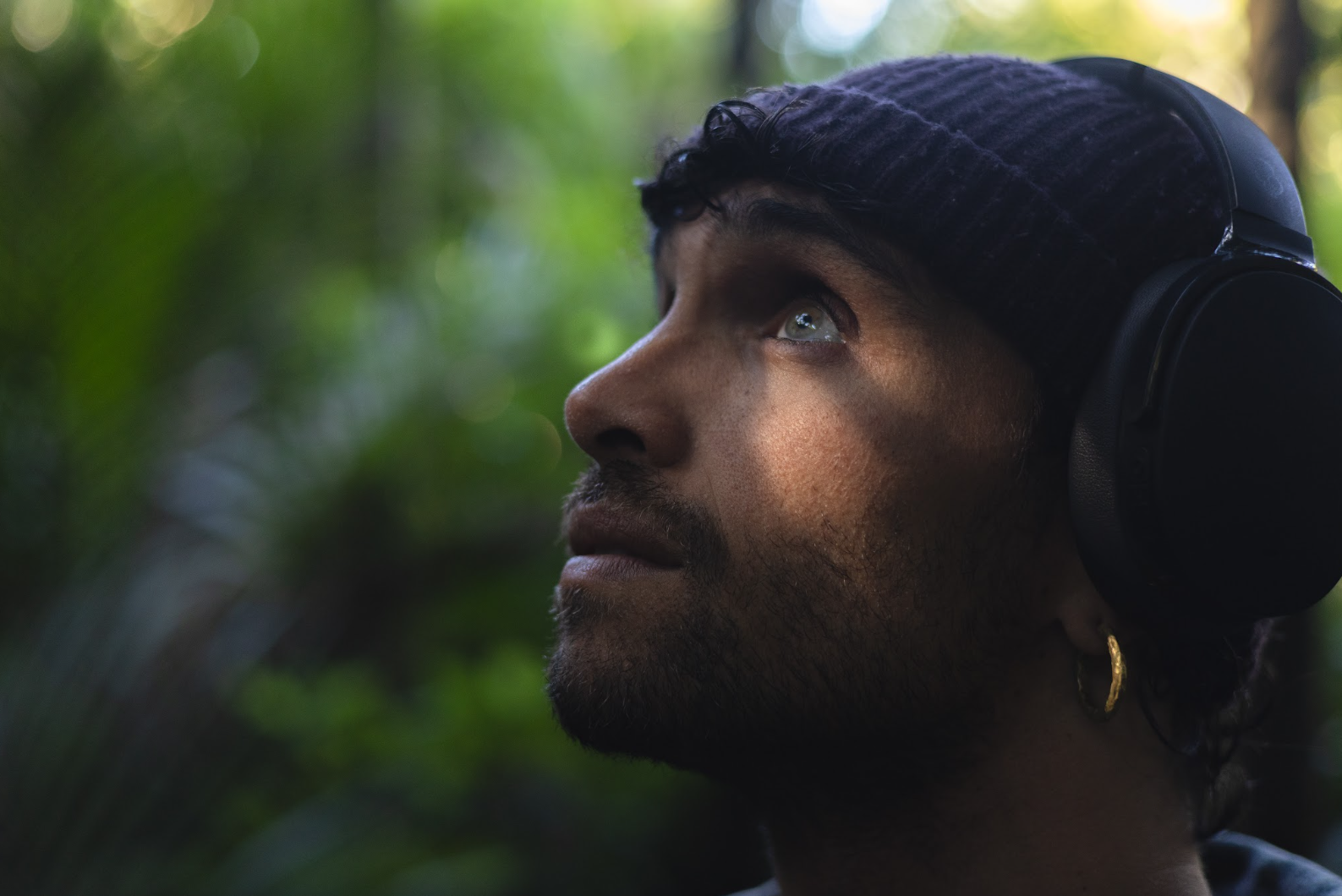
Particularly effective is the way tension is established without spoken conflict. The film employs subtle techniques such as heightened ambient sounds and rhythmic pulses that resemble heartbeats, creating moments of unease and emotional pressure. These choices generate dramatic weight without ever feeling manipulative. The audience experiences the protagonist's grief not through explanation but through sensation, making the emotional journey feel more immediate and personal.
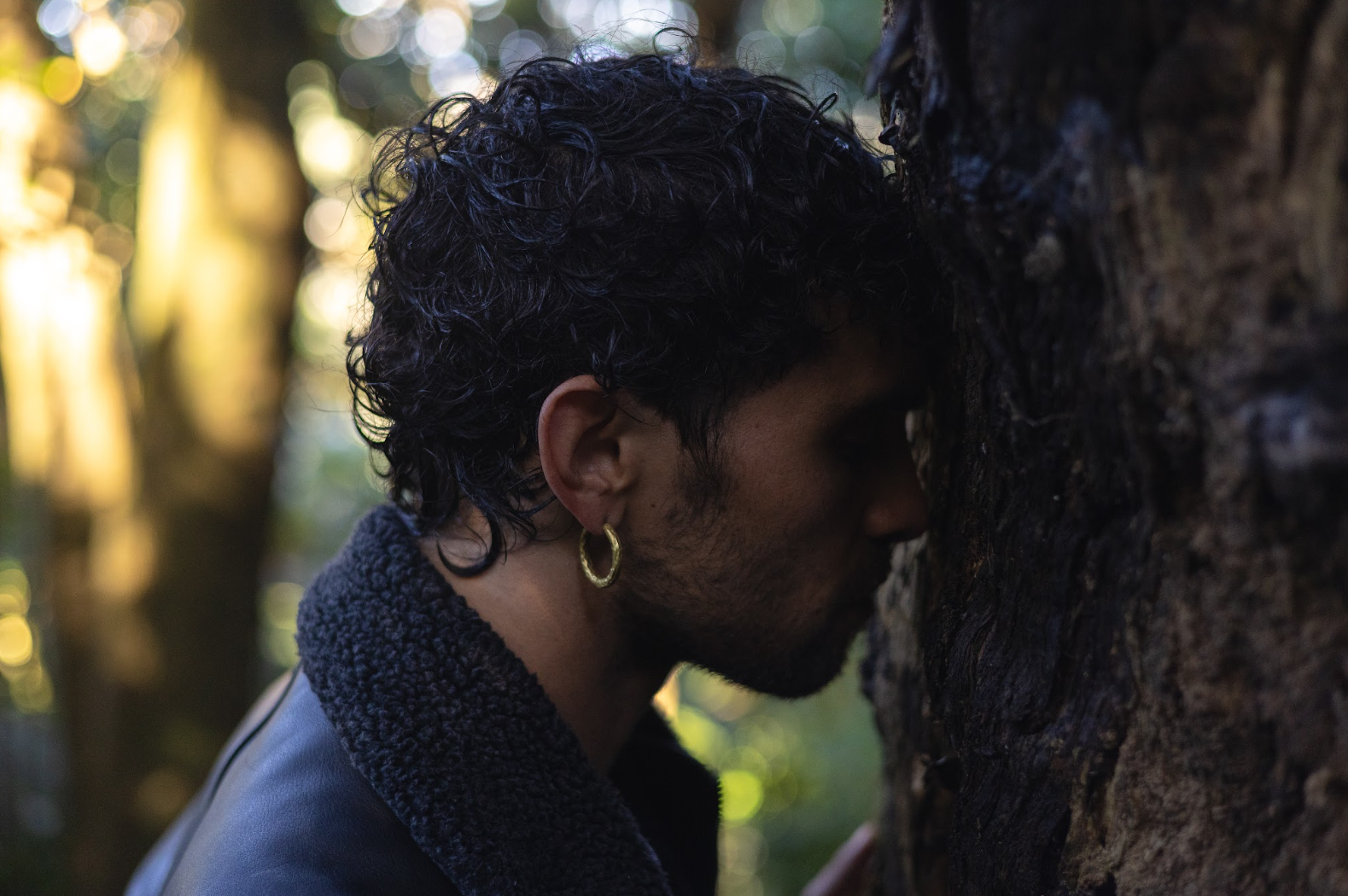
At the heart of He Kōrihi lies an elegant and profoundly moving idea: that those we lose may continue to speak to us through the world around us. The film explores this concept through native birdsong, treating sound not merely as a natural phenomenon but as a carrier of memory, connection, and ancestral presence. It is a beautiful notion, handled with enough subtlety to avoid becoming sentimental. Rather than presenting easy answers about loss, the film suggests that healing can emerge through listening, reflection, and reconnection with the land and traditions that shape us.
The setting plays a crucial role in bringing these themes to life. The natural landscapes provide far more than an attractive backdrop. Nature becomes an active participant in the narrative, offering both solitude and guidance. Every frame reinforces the idea that identity is inseparable from place, and that returning home can be as much a spiritual journey as a physical one. The film's use of Kāpiti Island is particularly striking, delivering imagery that feels both intimate and expansive while underscoring the story's environmental and cultural dimensions.
The decision to present the film entirely in Te Reo Māori further strengthens its authenticity and sense of purpose. Language here is not simply a means of communication but an expression of worldview, history, and belonging. Combined with the film's focus on whakapapa and cultural reconnection, it creates a work that feels deeply rooted in its identity while remaining emotionally accessible to a broad audience.
Despite its modest runtime and relatively simple narrative, He Kōrihi leaves a lasting impression. Its power comes not from complexity but from clarity. The film understands exactly what it wants to say and trusts its audience enough to engage with that message without excessive explanation. Every creative choice, from the sparse dialogue to the textured soundscape and soft visual palette, serves a unified emotional purpose.
For viewers expecting a plot-driven drama, the film's measured pace may require some adjustment. However, those willing to embrace its contemplative style will find a work rich with feeling and meaning. He Kōrihi is a thoughtful reflection on grief, cultural identity, and the ways nature can offer comfort when words fail. Through its stunning imagery, immersive sound design, and genuine emotional sincerity, it delivers a quietly powerful reminder that connection can endure long after someone is gone.
The film premiered at Show Me Shorts on Saturday 10 October, and is available to watch on dofilm.co.nz and YouTube from Monday 12 October.
Review written by Alex Moulton
Day One Hāpai te Haeata is a supportive community that provides rangatahi with the tools, guidance and opportunities to share stories on screen. Day One supports a series of funded short films made by young emerging filmmakers that explore cultural, social and political issues. This year, 8 films have been created under Day One’s guidance and programme.
